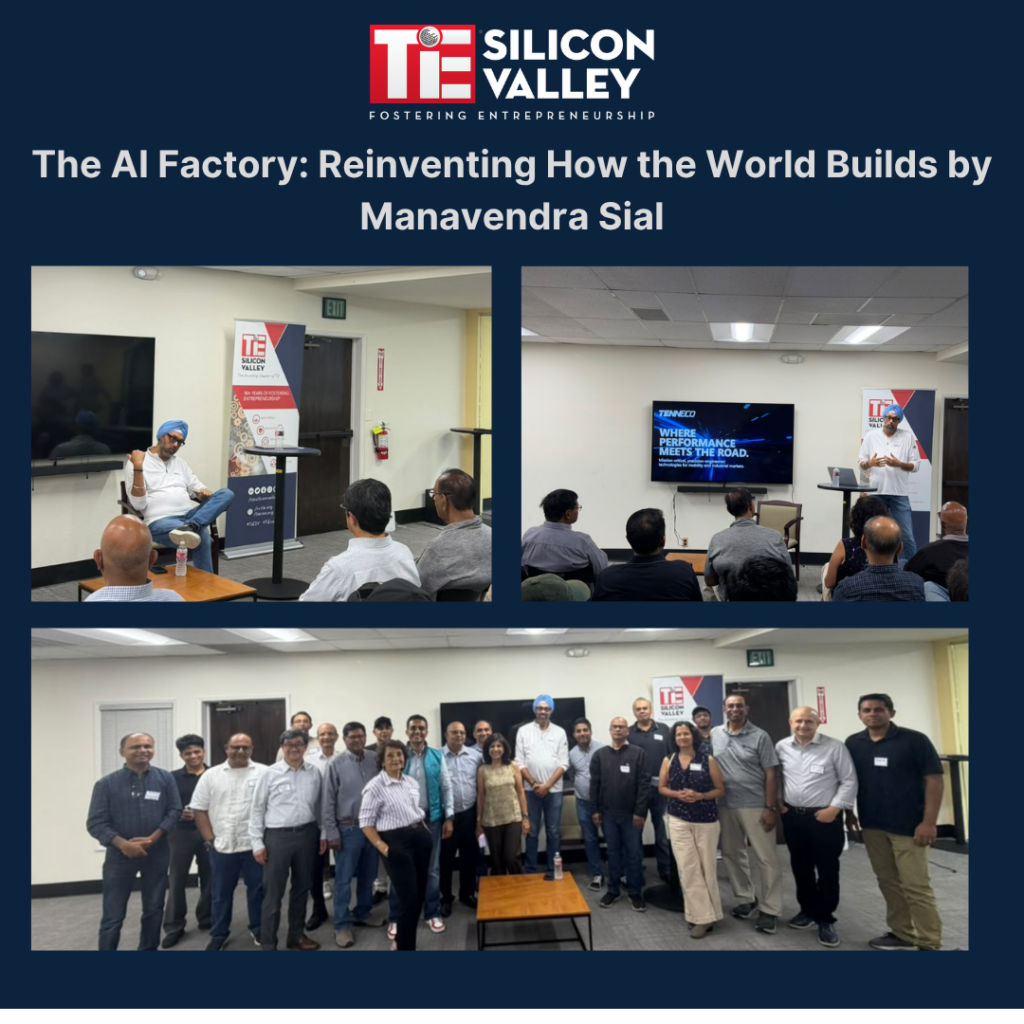
In a recent enterprise session, Manavendra (Manu) Sial, Executive Vice President and CFO at Tenneco, outlined how the global mobility and industrial manufacturer is leveraging AI to modernize legacy operations. Managing 169 plants, 32 distribution centers, and nearly 58,000 team members across 28 countries, Tenneco uses AI as an operational engine to boost efficiency, curb downtime, and optimize global supply chains.
Here are the key takeaways from his presentation.
1. Enterprise-Wide Digital Integration Tenneco’s strategy connects physical manufacturing directly to corporate financial and operational workflows across four core pillars:
- Automation & Process Tech: Implements robotics, co-bots, and automated welding optimizations.
- Digital Operations: Uses predictive maintenance and digital twins to build operational agility.
- Smart MES: Deploys live Overall Asset Effectiveness (OAE) dashboards and Autonomous Mobile Robots (AMRs).
- Enterprise Transformation: Streamlines plant HR, product development, and EHS workflows.
2. Predictive Maintenance Over Reactive Fixes Unplanned downtime historically caused a 30%+ loss in OAE across several plants. By deploying IoT vibration and temperature sensors with machine learning (e.g., at their Puebla facility), Tenneco catches mechanical shifts and thermal spikes days before failure occurs.
3. Factory Optimization via Digital Twins By simulating line adjustments in a digital twin before moving physical equipment, plant managers optimized material flow—such as decoupling a 400-ton press via a buffer. This generated:
- +9% Increase in OAE.
- +2,616 Parts produced per day.
4. Machine Learning for Supply Chain & Revenue Forecasting In a 4-plant pilot, AI forecasting overlaid with market data cut total error rates by nearly 50% (from 16.5% down to 8.5%), driving over $10M in financial impact by balancing inventory and capturing lost sales.
5. Real-Time Telemetry and Cost Flexing Centralized financial platforms provide live visibility into plant telemetry and margin tracking. Automated analytics highlight whether direct labor and variable overhead are flexing down proportionately to demand shifts, enabling real-time cost adjustments.